In areas prone to seismic activity, it is crucial to have structures equipped with effective seismic bracing systems. These systems are designed to minimize damage and ensure the safety of occupants during an earthquake. By implementing a seismic bracing system, engineers and architects can greatly enhance the stability and resilience of buildings, thereby reducing the risk of collapse and potential loss of life.
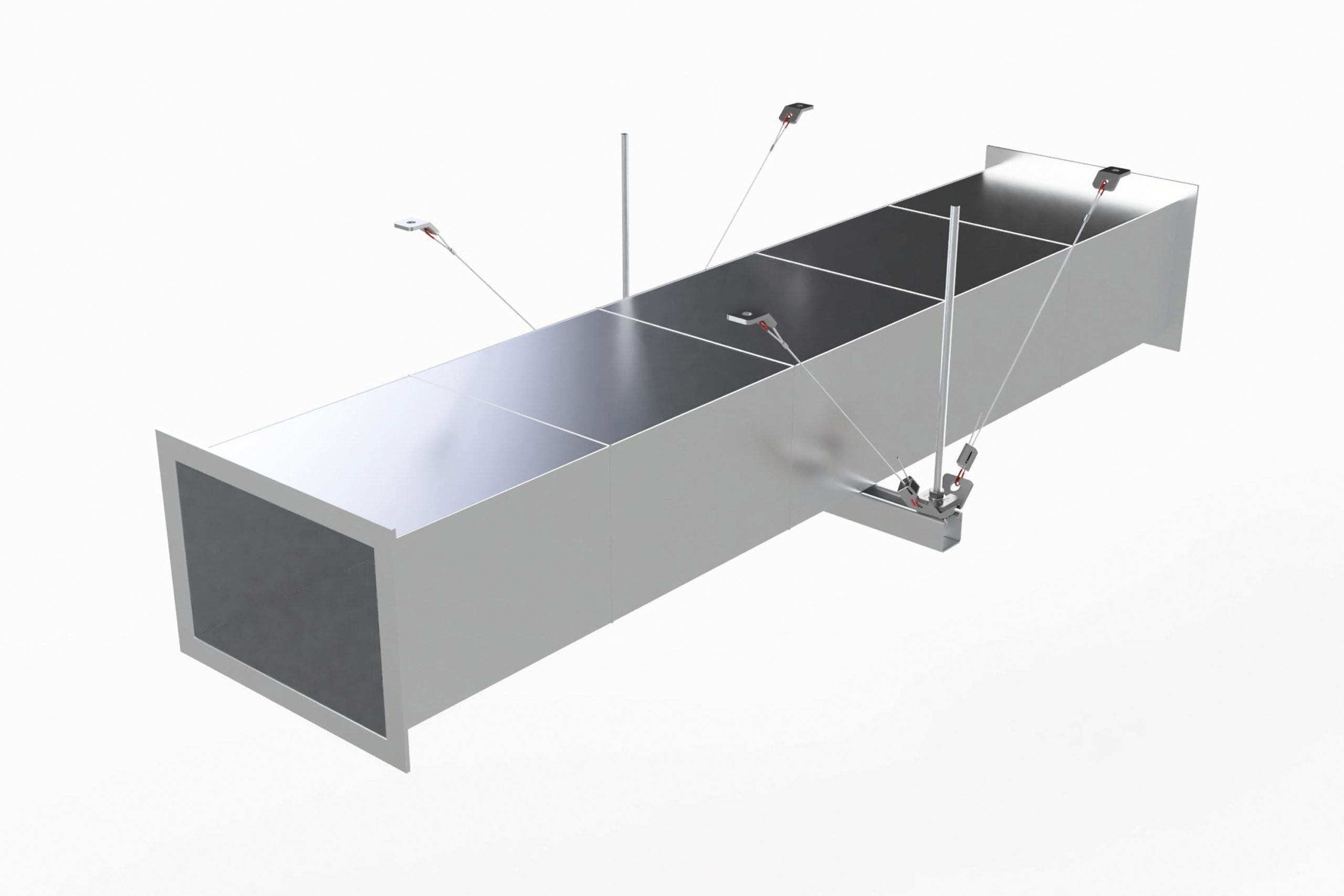
A seismic bracing system consists of a series of structural elements that are strategically placed throughout a building to provide additional support and reinforcement. These elements are typically made of steel or other strong materials that can withstand the forces exerted by an earthquake. The primary purpose of a seismic bracing system is to limit the lateral movement of a structure during a seismic event, thereby preventing it from swaying or collapsing.
One of the key components of a seismic bracing system is the use of bracing elements such as diagonal braces, shear walls, and moment frames. These elements are strategically placed within a building to absorb and dissipate the energy generated by an earthquake. By redirecting these forces away from the main structural elements of a building, a seismic bracing system helps to minimize damage and ensure the overall stability of the structure.
In addition to bracing elements, a seismic bracing system also includes connections and fasteners that are designed to securely anchor the structure to its foundation. These connections are critical in ensuring that a building remains intact during an earthquake, as they help to transfer forces from the superstructure to the foundation. By securing the building in place, connections and fasteners play a vital role in preventing structural failure and collapse.
The importance of a seismic bracing system cannot be overstated, especially in regions with high seismic activity. Without adequate bracing, buildings are vulnerable to significant damage and collapse during an earthquake, putting the lives of occupants at risk. By incorporating a seismic bracing system into the design and construction of a building, engineers can significantly enhance its resilience and ensure the safety of those inside.
When designing a seismic bracing system, engineers must carefully assess the seismic risks associated with a particular location. Factors such as the magnitude and frequency of earthquakes, soil conditions, and local building codes all play a role in determining the appropriate level of bracing needed to withstand seismic forces. By conducting thorough analysis and simulations, engineers can develop a customized bracing system that meets the specific requirements of a project and ensures its stability under seismic conditions.
In addition to protecting the structural integrity of a building, a seismic bracing system also helps to safeguard its contents and occupants. By limiting the movement of a structure during an earthquake, a bracing system reduces the risk of damage to interior finishes, equipment, and furnishings. Furthermore, by preventing collapse, a seismic bracing system minimizes the potential for injury or loss of life, thereby enhancing the overall safety of a building.
Overall, the implementation of a seismic bracing system is essential for ensuring the stability and safety of buildings in seismically active regions. By incorporating bracing elements, connections, and fasteners into the design and construction of a structure, engineers can effectively mitigate the impact of earthquakes and protect both the building and its occupants. With proper planning and implementation, a seismic bracing system can greatly enhance the resilience and longevity of a building, providing peace of mind for all those who enter its doors.